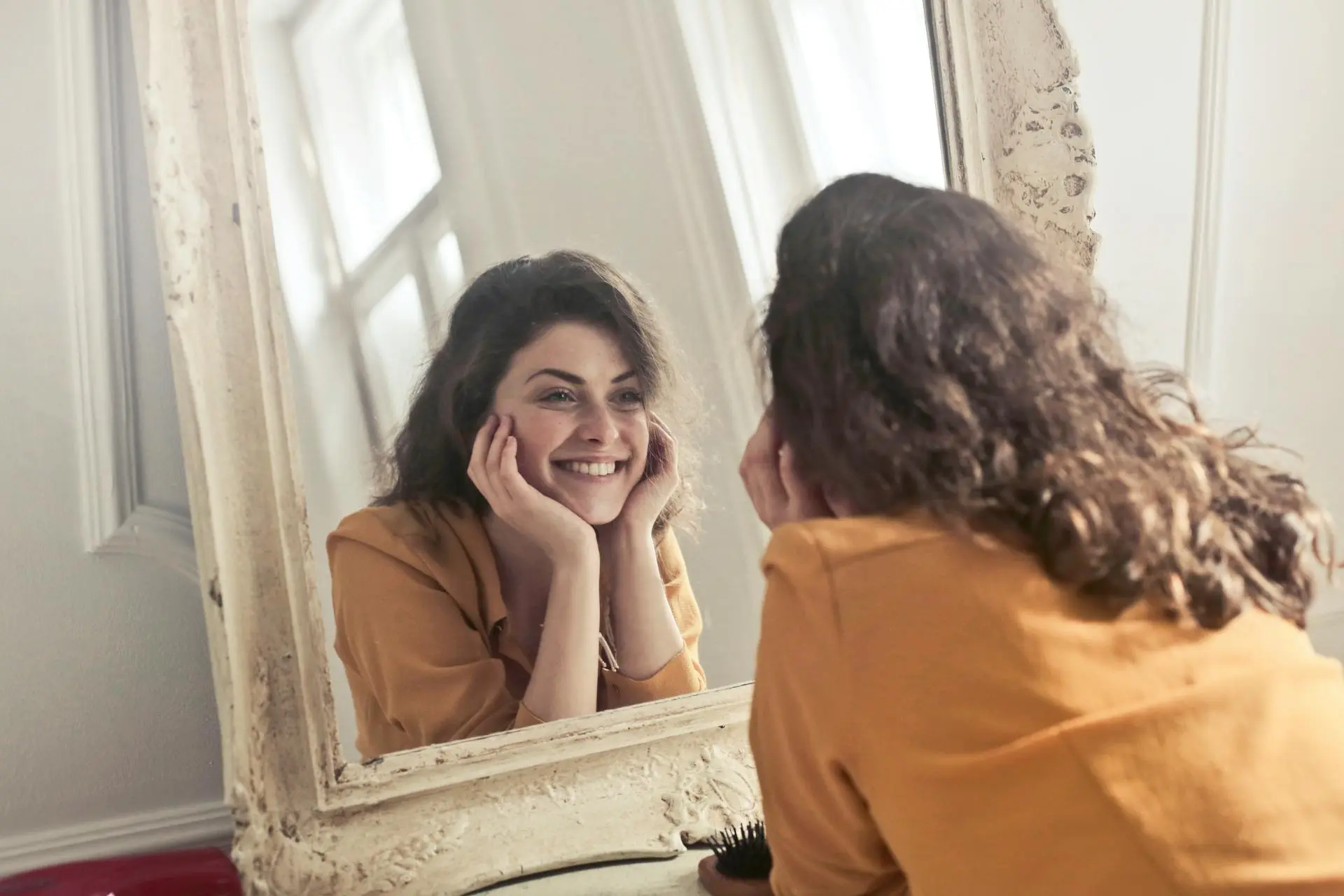
Feeling anxious for no reason? 5+1 tips from a psychologist


Written by
The meaning, symptoms, and possible consequences of anxiety without a cause. What might be behind it, and how can it be managed? Expert advice.
Feeling tense but can't tell why? It's as if you're always on high alert, even though there's no real danger.
If this feeling resonates with you, it might be what we call anxiety without a cause – which is indeed very real, although the triggers aren't always obvious.
In this article, we help you understand what might be behind 'cause-less' anxiety, when to seek help, and what you can do if you're dealing with it now.
The background might not always be conscious, yet real reasons are behind the anxiety.
If cause-less anxiety persists, it can have serious consequences, but it's manageable.
Therapy can help recognize and alter internal dynamics that lead to anxiety.
Is there such a thing as anxiety without a cause?
Many people experience anxiety as if it comes out of nowhere – as if there's no specific triggering event to explain it.
This doesn't mean it lacks a cause, just that the cause isn't always conscious or lies deeper than what we might initially see.
In psychology, anxiety is often a result of unresolved internal tension or past experiences that activate without apparent 'cause' in the present.
It's important not to question your own feelings – they are valid, even if you can't pinpoint exactly what triggered them.
Summary of anxiety symptoms – what does it feel like?
Anxiety has many faces – and it's not always easy to recognize. Some people feel it in their bodies, others have racing thoughts, and some see changes in their behavior.
Physical symptoms
Rapid heartbeat
Shortness of breath
Chest pressure/tightness
Heart palpitations
Sweating, trembling
Stomach discomfort, dizziness
Back pain
Muscle tension, restless sleep
Mental symptoms
Constant worry, overthinking
"What if...?" thoughts
Inability to relax or unwind
Irritability, impatience
Difficulty concentrating
These symptoms often build on each other and can become constant over time – especially if we don't get feedback confirming that what we feel is real and manageable.
What could be behind anxiety without a cause?
Seemingly cause-less anxiety can be triggered by many things. Often, processes are happening beneath the surface that we don't notice – or do not consider as possible causes:
Generalized Anxiety Disorder (GAD): persistent, diffuse anxiety not tied to a specific situation.
Genetic predisposition: increased anxiety readiness can appear as a family inheritance.
Childhood experiences, traumas: past experiences affecting the present mental state.
Life changes: moving, divorce, work stress – even if not deemed 'dramatic'.
Diet and stimulants: caffeine, alcohol, blood sugar fluctuations can also increase anxiety.
Health problems: thyroid overactivity, hormonal changes, lack of sleep.
Because the causes can be so diverse, often external insight, like a psychologist's help, is required for precise understanding.
Consequences of strong, continuous anxiety
Persistent anxiety is not just uncomfortable – it exhausts the body long-term and affects quality of life. Attention narrows, relationships become strained, and performance declines.
If anxiety persists untreated for a long time, it often leads to other psychological issues:
Panic attacks: sudden intense feelings of fear, often experienced as 'going crazy' or 'fear of dying'.
Depression: often anxiety's precursor. Continuous inner tension, lack of coping, and a sense of helplessness can lead to mood disorder and hopelessness over time.
Obsessive thoughts or behaviors: some people start 'controlling' things to reduce anxiety, like repeating thoughts or rituals, which can increase inner pressure.
Cause-less anxiety is insidious because many people get used to it: they learn to live with it, operate on half-throttle, or accept that "it's just my nature." But this reduces connection to life, joy, and presence – increasing the risk of anxiety taking more severe forms in the long run.
Most importantly, you don't have to settle for it.
Anxiety isn't You – it's a state that can be understood, managed, and in many cases, resolved permanently.
But the first step is to take your own feelings seriously – even if the world says: "Oh, you're just too sensitive".
When to seek help?
Many people wait too long. They think, "it will pass," "I'm just too tired," "it's a tough time right now." These are all understandable thoughts – but if anxiety lasts longer than a few weeks, hinders daily functioning, or appears at night, it's worth consulting a psychologist.
Some warning signs that it's time to seek help:
You can't calm down even when everything is fine around you.
You have physical symptoms, but medical tests find no differences.
Anxiety prevents you from enjoying things that previously brought joy.
Feel like you're "not yourself".
Therapy against cause-less anxiety
Therapy is one of the most effective tools against cause-less anxiety – especially if anxiety is recurring, persistent, or seemingly inexplicable.
A psychologist helps make those feelings interpretable that had been stifling parts of daily life until now.
The goal isn't just alleviating symptoms, but uncovering underlying patterns and associated memories – to understand what triggers anxiety and how to react differently.
During the therapeutic process, you'll gradually learn to recognize the unique mechanisms of your anxiety: when it intensifies, in what situations it activates, and what thoughts, bodily sensations, and behaviors it accompanies.
This in itself is a huge step because when you start consciously noticing patterns, you’re not just enduring the anxiety – but can have an impact on it.
Practical tips for cause-less anxiety
A psychologist can teach you tools that help reduce the intensity of anxiety.
If I could give you 5+1 tips for things to master, these would be it:
breathing exercises,
body-awareness enhancing exercises,
relaxation methods (e.g., progressive muscle relaxation),
finding present focus,
developing internal dialogues that calm ruminating and self-criticism.
+1: incorporate daily routine, exercise, and appropriate sleep time and quality!
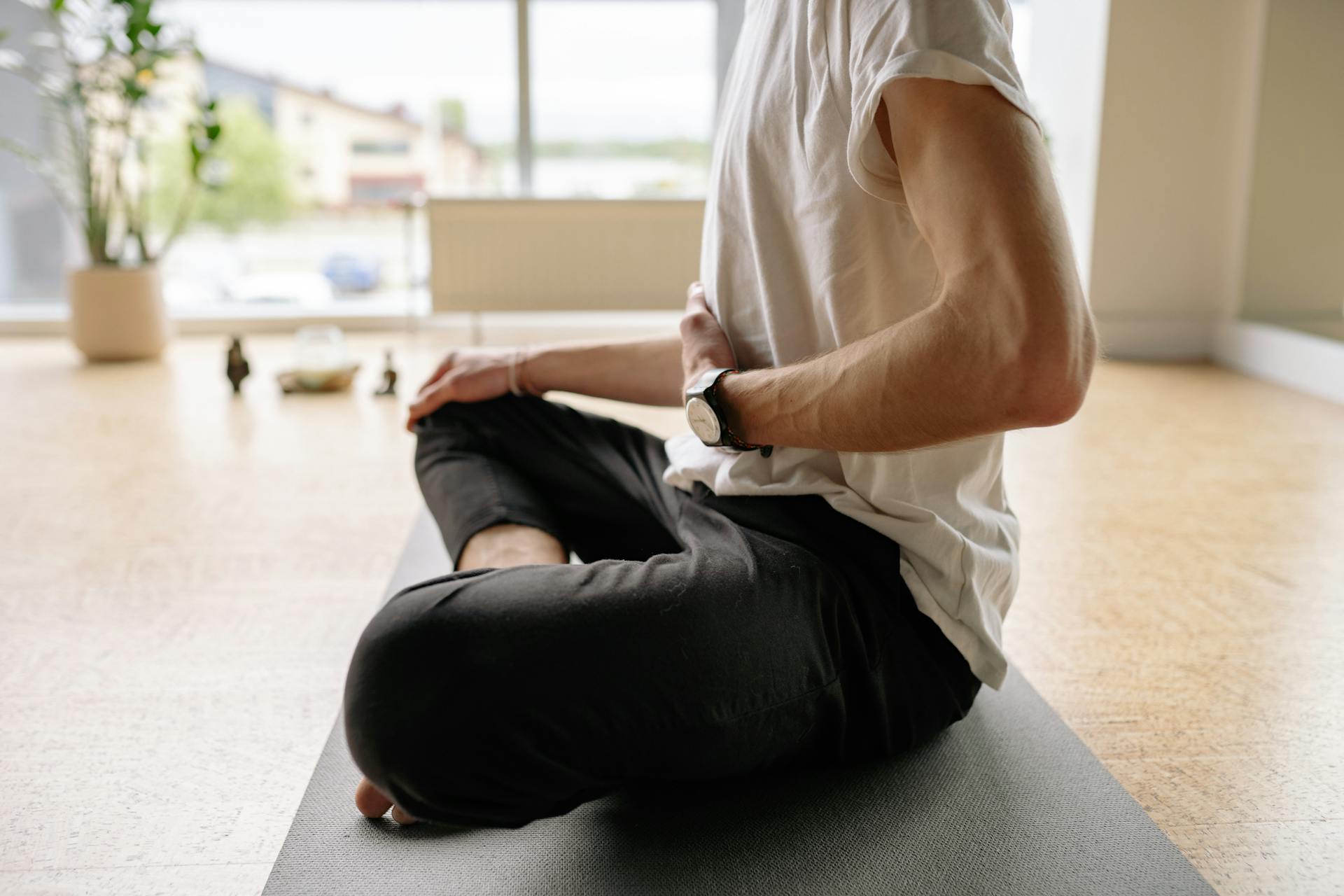
These techniques don't work like magic, but with regular use you can gradually regain control over your internal state.
It's also an essential part of therapy that in a safe, accepting space, you can work through past experiences that unconsciously, covertly continue to operate in the present and often 'speak' into your life in the form of anxiety.
Memories, old patterns, or repressed feelings gain new meaning here, giving you the opportunity to handle similar future situations differently.
Thus, in therapy, reducing the intensity of anxiety is not the only goal, but creating a new relationship with yourself, where you approach your feelings with understanding and support instead of fear.
This change can bring genuine, lasting relief.
Medication for cause-less anxiety
In more severe cases, medication may be necessary, especially if anxiety hinders daily functioning. This is always determined by a psychiatrist specialist, and the psychologist may recommend a consultation if needed.
The most common medications:
SSRIs (selective serotonin reuptake inhibitors) – e.g., sertraline, escitalopram
Benzodiazepines – strictly short-term, under medical supervision
Herbal-based preparations – for milder cases
The most effective medication is not the same for everyone – individual sensitivity, severity of condition, and other health factors all play a role in selecting the appropriate preparation. That's why it's important for the treatment to be led by a professional.
There is a way out if you feel anxiety without a cause
Anxiety – even if it seems 'cause-less' – is not an accident, not an exaggeration, not a weakness. Your body and soul are sending signals.
And while it may now seem like this is a permanent state, experience shows: with the right help, it can be learned to manage, ease, and, in many cases, completely disappear.
You don't have to wait for it to become unbearable. If it's already difficult, know: you are not alone, and it is possible to live differently.
Did you enjoy the article? Then bookmark it so you can quickly find it again anytime, or share it on one of your social media platforms.

Share on Facebook
Share on X
Copy link
Similar articles