Written by
You can do a lot at home to combat anxiety, but in certain cases, it's worth seeking professional help. Here are 10 proven techniques!
Anxiety is a natural part of life – we all experience it from time to time. Sometimes it strikes just before an exam or a difficult conversation, while other times it becomes persistent, and we worry about nearly every situation. Although anxiety can manifest in many ways, they all share the common trait of being exhausting – both physically and mentally. The good news is, you're not alone, and there are things you can do against anxiety.
In this article, we present ten tried and easily integrable methods that can help reduce your anxiety – whether it's in the middle of a stressful day or if you're looking to make a long-term change.
Anxiety is a natural phenomenon, but in excess, it can lead to illness.
Home remedies (such as breathing exercises, movement) can effectively help with mild anxiety.
In the case of severe or persistent symptoms, don't hesitate to seek professional help.
What is anxiety?
Anxiety is a natural, evolutionarily useful emotion that warns us of dangers and helps us prepare for challenges. Normally, this feeling is temporary and serves a helpful function: for instance, it makes you more alert before an exam or helps avoid risky situations.
The problem begins when anxiety persists, is overly intense, or is linked to situations that don't pose a real threat. This is when we talk about anxiety disorders, which can significantly affect daily life and psychological well-being.
Anxiety is not the same as fear – while fear is a reaction to a specific threat, anxiety is more of a general, future-oriented worry and sense of uncertainty, often not tied to a clear cause. It can manifest in cognitive, emotional, physical, and behavioral symptoms.
We distinguish several types of anxiety, depending on how, in what situations, and in what form it occurs:
Generalized Anxiety Disorder (GAD): constant worry not tied to a specific event.
Panic Disorder: sudden anxiety attacks with intense physical symptoms.
Phobias: irrational fear of certain situations (e.g., crowds, heights, flying).
Social Anxiety: strong fear of judgment, embarrassment from others.
Post-Traumatic Stress Disorder (PTSD): recurring anxiety following a traumatic event.
Obsessive-Compulsive Disorder (OCD): recurring, distressing thoughts and repetitive behaviors.
Common symptoms of anxiety
Anxiety can manifest on physical, emotional, and mental levels. Common physical symptoms include rapid heartbeat, sweating, trembling, shortness of breath, and stomach issues. Emotionally, it is characterized by continuous restlessness, inner tension, and worry. In terms of thinking, one might experience negative spirals, concentration difficulties, and decision-making confusion. Behaviorally, people often avoid situations, which may bring temporary relief but only increase anxiety in the long run.
What causes anxiety?
Anxiety is caused by the combined effect of several factors. Common reasons include genetic predisposition, family patterns (e.g., anxious parents), and traumatic experiences, such as accidents or neglect. Stressful life situations, work pressure, and relationship problems can also contribute.
Common causes of anxiety:
Genetic Factors: inherited sensitivity to stress
Family Influences: anxious parents, controlling upbringing
Traumatic Events: abuse, losses
Age-related Stressors: work, relationship problems
Anxiety can occur both in adulthood and in childhood, but it may be more common that we don't recognize the feeling when it appears in childhood. Childhood anxiety often presents in the form of physical symptoms (e.g., sleep disturbances, stomachaches).
Methods to counter anxiety
Fortunately, there are many techniques available that can help reduce anxiety levels, improve mental well-being, and restore inner balance. Below are 10 techniques that can help fight anxiety.
1. Breathe consciously
Did you know that breathing is one of the quickest ways to reduce anxiety? Your breath can calm your body and mind. Even a very simple deep-breathing technique can help with anxiety, allowing you to regain control over your thoughts and feelings.
Try the 4-7-8 technique: inhale for 4 seconds, hold for 7 seconds, exhale for 8 seconds. This helps soothe the nervous system and return to the present moment.
2. Move your body
Physical activity is a natural stress reliever. You don't need to exercise for hours – even a 20-minute walk outdoors can help reduce stress hormones and increase levels of “happiness hormones” (endorphins, serotonin). Besides its natural stress-relief effect, it also helps enhance concentration and effectively alleviates the physical symptoms of anxiety. Active movement boosts energy levels and helps prevent anxiety from taking over your day.
3. Limit overthinking
Notice if your thoughts are caught in a vicious cycle – in the form of questions like “What if..?” Stop for a moment and ask yourself: “Is there evidence for this? Does this help me now?” This can be the first step in cognitive reframing. Cognitive reframing can help manage negative thoughts in a more realistic and constructive way, thus reducing the level of anxiety.
4. Write it out
Journaling is not only a self-awareness tool but also a stress reliever. Writing down your thoughts gives you the opportunity to view anxiety-provoking situations from an external perspective. Write down what worries you and observe how the feeling changes just by expressing it in writing.
5. Stop the overthinking
“Overthinking” often worsens the situation since continuously swirling thoughts don't lead to solutions, they only increase anxiety. Use simple techniques, such as saying the word “STOP” in your mind when the anxiety loop starts. Consciously redirecting attention can reduce the power of anxiety.
6. Connect with others
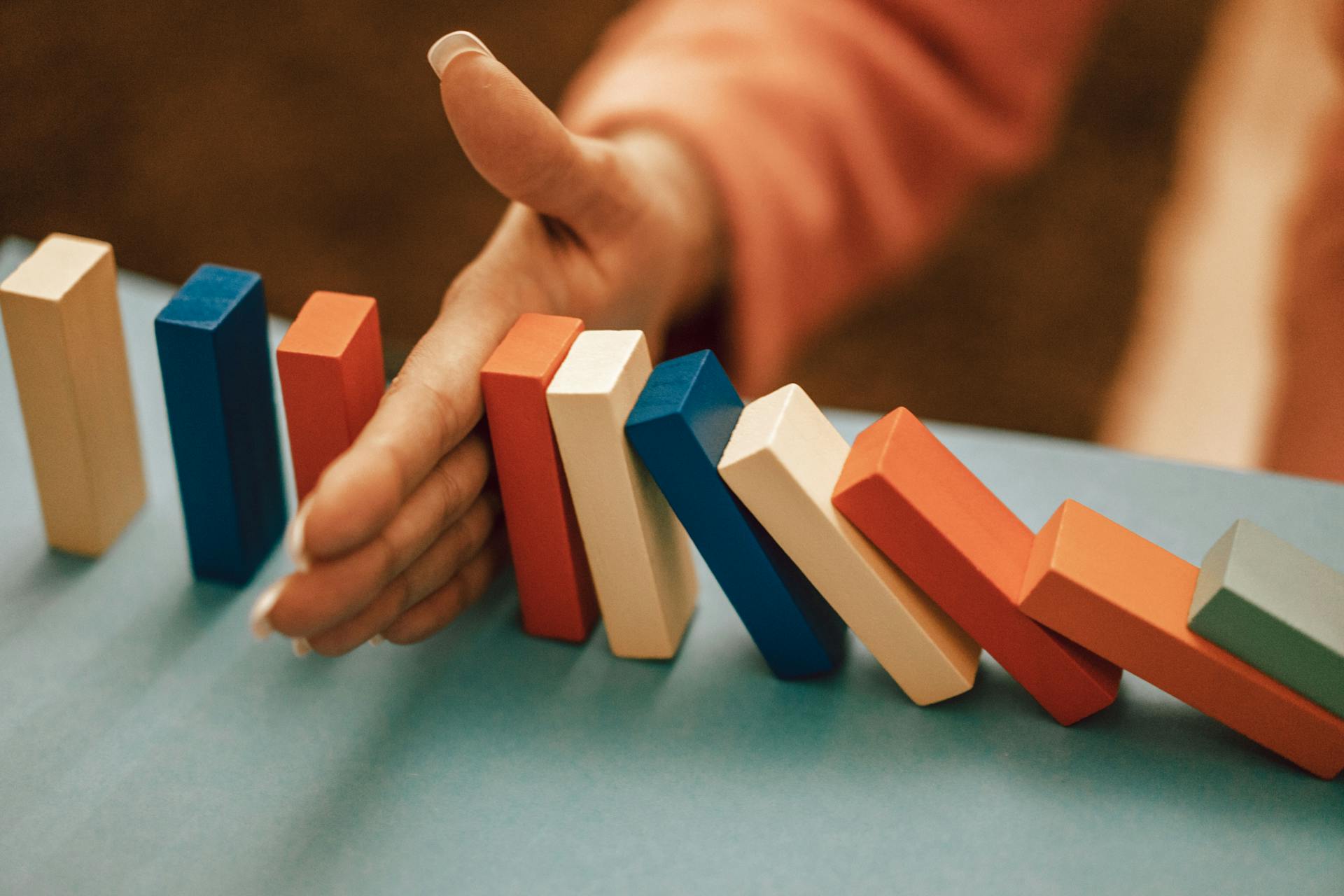
Anxiety can easily make you feel lonely, as we often withdraw from the outside world, fearing that others won't understand us. However, social connections can greatly aid in managing anxiety. An honest conversation with a friend or family member allows you to express your worries and share your feelings, which in itself can relieve inner tension.
7. Bring back the present
Mindfulness and present-moment techniques (like the 5-4-3-2-1 exercise) help quiet worries and anchor you back to the present moment.
The 5-4-3-2-1 technique is a simple present-moment practice that helps you return to the present if anxiety takes over. Here’s how you can do it:
5 things you see: Look around and list five things you can see.
4 things you feel: Notice what your hands or feet touch, and list four things you physically feel.
3 things you hear: Listen to your surroundings and notice three sounds you hear.
2 things you smell: If there is something fragrant nearby, smell it and notice two scents.
1 thing you taste: If possible, take a bite or sip and notice what you taste.
This technique helps focus on your senses, reducing the effect of anxiety because it brings you back to the present and interrupts cyclical, negative thoughts.
8. Avoid excessive caffeine and screen time
Too much coffee, energy drinks, or late-night scrolling can intensify anxiety. Caffeine consumption, especially in large amounts, can trigger faster heartbeats, sweating, and nervousness, while late-night screen time can disrupt rest and make falling asleep harder. Notice how these affect you, and try to regulate them consciously.
9. Create, play, unwind
Creative activities, like drawing, painting, writing, or crafting, allow you to focus your thoughts and energy on something positive and constructive. This helps interrupt anxious thoughts and reduce mental strain.
Playing also has a similar effect: whether it’s board games, video games, or leisure activities, they help divert attention, break the thought cycle, and enjoy the moment. Such activities offer a chance to recharge, have fun, and let go of daily stress.
10. Seek help
If anxiety is affecting your daily functioning, and the methods mentioned above are not leading to sufficient improvement, it's worth consulting a professional. A psychologist can help you understand the roots of your anxiety and develop personalized coping strategies and therapeutic tools. Psychotherapy, such as cognitive behavioral therapy, can be an effective method against anxiety.
Another option is medication, which involves the use of anxiety-reducing or antidepressant medications prescribed by a psychiatrist. Medications can help alleviate the symptoms of anxiety, especially if they are severe or long-term. It's important, however, to use medication under professional guidance, as the appropriate medication and dosage are crucial for effective treatment. The combination of medication and psychological treatment can also be very effective in managing anxiety.
Frequently asked questions about anxiety-relief methods
A lot of questions arise during the treatment of anxiety since everyone experiences stress and anxiety differently. The effectiveness of different methods and techniques varies from person to person, and there are often doubts about the best solutions. Below are the most common questions that can help clarify the fundamental facts about anxiety management.
How effective is treating anxiety at home?
Treating anxiety at home, such as using relaxation techniques, breathing exercises, or exercise, can be helpful for mild or temporary anxiety. However, if anxiety persists and affects daily life, it’s advisable to seek professional help. Home methods can complement professional treatment, but they do not replace it.
Is medication a good solution for anxiety?
Medication can be effective for anxiety, especially in cases of severe or long-term problems, when anxiety significantly affects daily life. Prescription medications like anxiolytics or antidepressants can help alleviate symptoms. However, medication is only part of the solution, and it is often recommended to combine it with psychotherapy for long-lasting results. Medication should always be taken under professional supervision!
When should you see a psychologist for anxiety?
It’s advisable to see a psychologist if anxiety persists for a long time and has a negative impact on your daily life, such as reducing your work performance, relationships, or daily functions. If you feel that you cannot manage your anxiety alone, or if the intensity and frequency of anxiety increase, a psychologist can help you understand the problem and learn effective coping strategies. The professional can help identify root causes and develop personalized treatment plans together.
Did you enjoy the article? Then bookmark it for quick reference or share it on one of your social platforms!
Share on Facebook
Share on X
Copy link
Similar articles