Stress Management: 5 effective methods to reduce stress
May 12, 2025


Written by
Effective stress management is essential in our lives, we must pay attention to it. Here are some useful and tried-and-true tips for managing stress.
Stress is a natural part of life – we all experience deadlines, conflicts, or taking on too much at once. While short-term stress can help mobilize our energy, prolonged stress can exhaust and unsettle us, leading to physical and mental symptoms. The good news is: stress management is learnable. There are methods to ease symptoms and restore inner balance. In this article, we present tools that can help you respond more consciously to everyday tensions – so it's not stress that controls you, but you that manage it.
Stress is a natural phenomenon, but in a persistent form, it can have negative effects.
Easily learnable techniques can significantly help in combating stress.
In severe cases, involving a professional is advised: it's not a weakness but a responsible decision.
Types of Stress
Although the word “stress” often makes us think of something negative, the reality is more nuanced. In psychology, we distinguish between constructive and destructive forms of stress – these are eustress and distress.
Eustress
Eustress is the type of stress that motivates, energizes, and helps you bring out the best in yourself. For instance, when you're excitedly preparing for a job interview or facing a new challenge, it helps you concentrate and stay focused. Eustress doesn't destroy; in fact, it helps you adapt, grow, and step outside your comfort zone. In short, it's a healthy amount of pressure that you can handle and that motivates and activates you.
Distress
On the other hand, distress is the type of stress that overloads, exhausts, and brings negative physical and mental effects. You might feel like there's too much to do and not enough time, with no way out of the tension. Distress often comes with anxiety, sleep disorders, irritability, or physical symptoms (e.g., headaches, stomach issues) – and if it becomes permanent, it can easily lead to burnout or even anxiety disorders.
The goal is not to eliminate all stress from our lives but to learn to recognize which type is present and how to manage them consciously.
Causes of Stress
Stress often arises from situations that place too much pressure on us – whether from external or internal sources. This can include workplace overload, personal conflicts, illness, or financial difficulties, but often it's our own excessive expectations that create stress. Even positive changes – like moving or having a child – can cause stress if they require great adaptation. The sources of stress are varied, and often it's not just one reason but a combination that leads to tension.
Impact of Stress on the Body
While stress primarily seems like a mental burden, our body reacts quickly to it as well. Heart rate increases, muscles tense, concentration becomes more difficult, and sleep can be disturbed. Over time, sustained stress can weaken the immune system, cause digestive problems, cardiovascular issues, and even burnout. The signs can vary from person to person – for some, it's headaches, while others may experience irritability or internal restlessness.
What is Stress Management?
Stress management means consciously learning to cope with the tensions we face without letting them wear us down. As our body goes into emergency reaction mode in stressful situations (with increased heart rate, faster breathing, and tense muscles), it's essential to not let these processes escalat.
The goal of stress management isn't to avoid all problems, but to learn to react to them differently, both physically and mentally. The essence of preventive stress management is to take care of ourselves not only when we feel exhausted. By regularly incorporating calming, balancing activities into our days, we become more resilient even to unexpected challenges.
Why is Stress Management Important?
If stress isn't managed in time, it can eventually lead to physical and mental exhaustion. Initially, you might just feel more tired or irritable, but over time sleep disorders, anxiety, burnout, and even serious health problems can arise. Stress management isn't a luxury or “nice-to-have” tool – it's key to staying balanced amid the challenges of daily life.
Home Stress Management Techniques
You don't have to rush to a psychologist to ease everyday tension. There are simple methods, that you can easily integrate at home into your days. Believe me, these can greatly contribute to your inner balance.
Incorporating Micro-Breaks During the Day
The continuously stressed nervous system needs to step out of the “readiness state” occasionally. Even a few minutes of daily calm helps activate the parasympathetic nervous system, the body’s natural mode of regeneration. A short break – like gazing out the window, sipping tea slowly, or a few minutes of silence – pulls you back to the present, eases tension, and improves concentration. Important: these aren't reward minutes, but mental health essentials.
Breathing + Body Awareness Together
Deep, slow abdominal breathing alone reduces heart rate, blood pressure, and stress hormone levels – this is scientifically proven. If you also consciously pay attention to your body's signals (where you're tense, where you're relaxed, warm or cold), it helps you escape overthinking even more. Focusing on bodily sensations “quietens” racing thoughts and helps you connect with yourself. This is a kind of body-conscious mindfulness practice.
Conscious Reframing
Stress isn't just about external events, but how we interpret them. During conscious reframing, we try to look at a difficult situation from a new perspective – for example, asking ourselves, “What can I learn from this?” or “What would I say to a friend in the same situation?” This practice doesn't dismiss the problem, but sheds new light on it – reducing feelings of helplessness and activating coping resources.
Connecting with Someone, Not for Advice, Just for Presence
Humans are social beings – and it’s stress-relieving when someone is just there, listens, and is present with us. There's no need for solutions, just human connection. According to research, social support is one of the strongest protective factors against the effects of stress. A walk with someone, a phone call, or shared silence can ease internal pressure. Important: it doesn't need to be “useful,” emotional presence alone is healing.
Quiet Rituals
Rituals are not just habits. They are repetitive, soothing activities that provide security, rhythm, and emotional stability. This could be lighting a candle in the evening, a few minutes of music listening, an evening walk, or making coffee in the same manner. These repetitions help the nervous system signal the end of the day, indicating that it can now rest and need not continue performing. These small islands aren't just mood lifters but real stress-protective zones.
Stress Management with Professional Help
There are situations when home methods are no longer sufficient. If you feel the tension becomes persistent, if stress affects your sleep, relationships, or physical health, it might be beneficial to consult a professional. Seeking help is not a sign of weakness – it's quite the opposite: evidence of the courage to not get stuck in a long-term harmful state.
A psychologist can help identify what internal or external factors intensify stress for you and how you typically react to them. Through collaborative work, not only can you learn coping techniques, but you can also gain deeper self-awareness – equipping you to handle similar situations more consciously in the future.
The question might arise: psychologist or coach? The answer depends on the depth of the problem. If stress is more related to a block, internal conflict, or intense emotional burden, a psychologist can provide professional support. If the focus is on achieving a specific goal, decision-making, or life management issues, then an experienced coach might be a good choice. The key point is: don't remain alone with your difficulties.
Preventive Stress Management
Stress management isn’t just useful when we’re already tired and exhausted – in fact, it’s most effective when we integrate it into our lives in advance. The aim of preventive stress management is to develop protective factors around us to help maintain balance even during tougher times.
These can be:
establishing a daily routine that includes time for relaxation;
nurturing social relationships because emotional support reduces stress responses;
regular exercise, such as weekly yoga, walking, swimming – which isn’t only needed when overwhelmed;
creative activities that bring joy and aren't done on a performance basis;
setting boundaries between work and private life – like establishing evening offline periods.
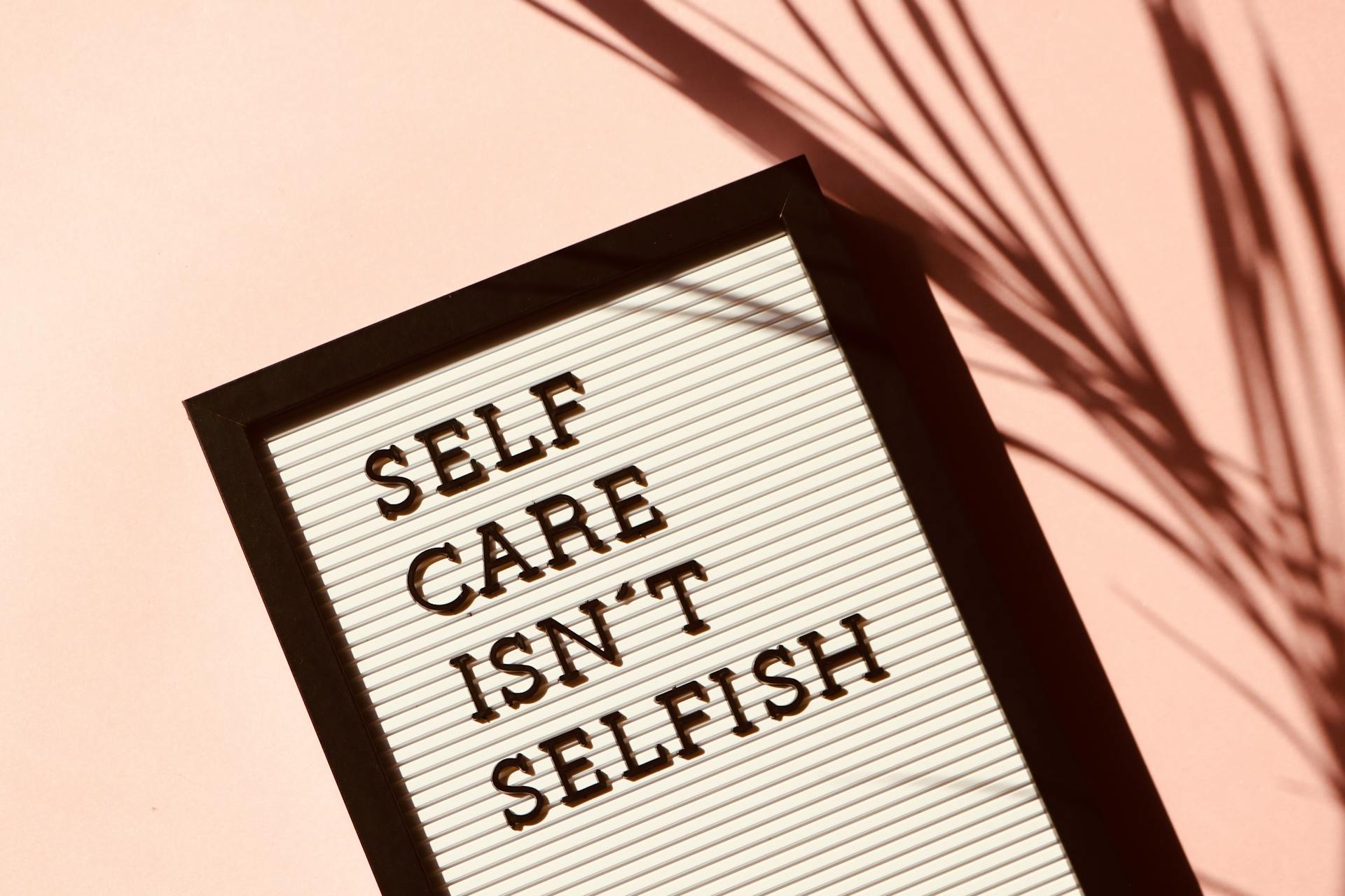
The preventive stress management aims at consciously taking care of yourself even when there’s no trouble. It’s not selfishness, it’s long-term self-care.
In summary, stress is not the enemy – but if we remain alone with it for too long, it can easily disrupt physical and mental balance. The most important step we can take is to notice the signs in time and start taking care of ourselves. Whether it's a cup of tea enjoyed in peace, a mindful breath, or a deeper self-awareness process leading to change, every step matters. And if you feel it’s hard to start alone, don’t be afraid to ask for help. Our reactions to stress are modifiable – and there’s no shame in that, only opportunity.
Did you like the article? Then bookmark it to quickly find it again or share it on your social platforms!

Share on Facebook
Share on X
Copy link
Similar articles