Addictions
Addiction, also known as pathological craving or dependency, consists of compulsive behavioral patterns where controlling or stopping the behavior repeatedly fails.
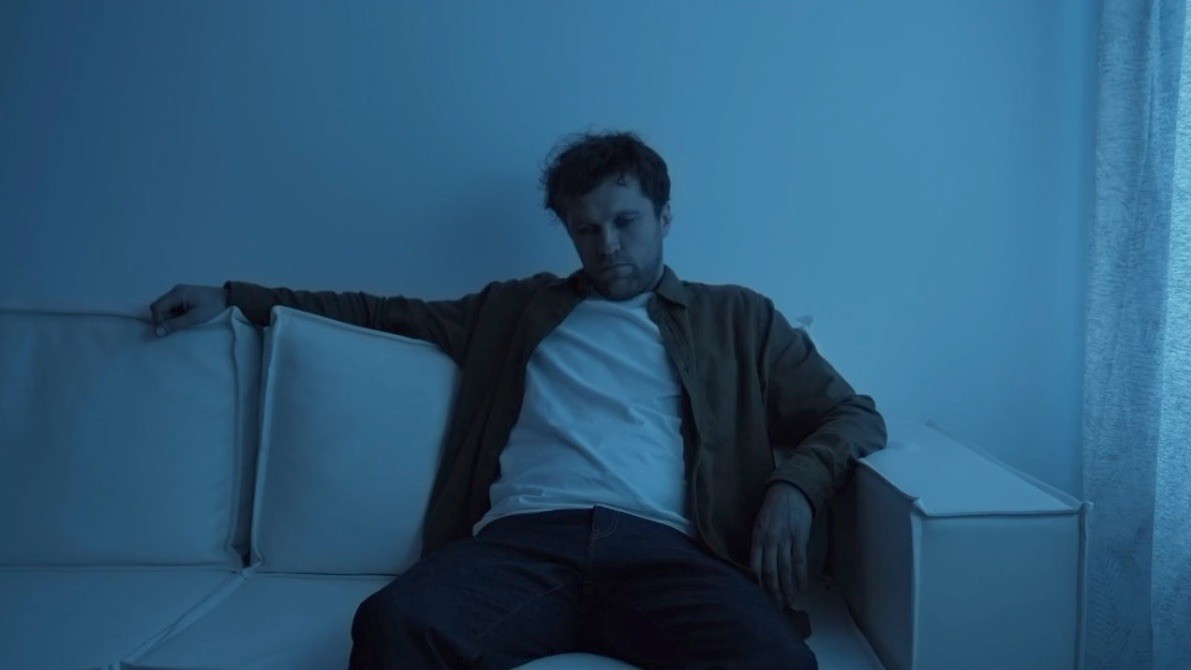
What are you facing?
You don’t have to deal with it alone.
We distinguish between chemical addictions (e.g. alcohol, nicotine) and behavioral addictions (e.g. sex addiction, relationship addiction, porn addiction, work addiction, digital addictions, exercise addiction). No matter the type, they place huge burdens on the person and their surroundings, both mentally and physically, and in many cases financially too.
There are situations – especially in the case of chemical addictions – when private psychological counseling does not lead to a solution, and inpatient, hospital treatment is needed for proper care (a combination of medication, group therapy, and individual psychotherapy).
However, for certain addictions, the safe and supportive environment your psychologist provides in private counseling can help a lot:
understanding and making sense of the nature of addictions
mapping the mental processes, emotional blocks, and dynamics behind addictions
setting goals and making a plan to overcome addictions
managing stress and anxiety
strengthening personal resources
improving self-image and self-knowledge
supporting lifestyle changes
encouraging the use of social connections
Dealing with the challenges of everyday life can sometimes be hard, and escaping into different addictions may seem like an easy solution, but it is important to know that the only real solution is to get yourself back on track and regain control over both your mental and physical well-being. There is no shame in slipping into these situations; it can happen to anyone at some point in life. Be proud of yourself if you are able to ask for help. Be able to ask for help.
Frequently asked questions
How do I know for sure that I am addicted?
You can tell when you are no longer in control. You feel compelled to keep going and you become tense when you try to stop.
Can I quit on my own, or do I need a doctor?
For milder addictions, your own willpower or psychologist support may be enough, but for severe alcohol or drug addiction, medical supervision is needed because of withdrawal symptoms.
Why can't I just stop if I know I'm harming myself?
Addiction rewires your brain's reward system, so willpower alone is often not enough to beat the biological craving.
What should I do if a family member is addicted but denies the problem?
Don't force them, but set clear boundaries and don't cover up their mistakes. Often, a professional's advice can also help you figure out how to handle them.
Those who help
Find the right therapist for you.

We’ve gathered the key facts about private counseling to give you a clear and realistic understanding of how psychological processes work.