
Written by
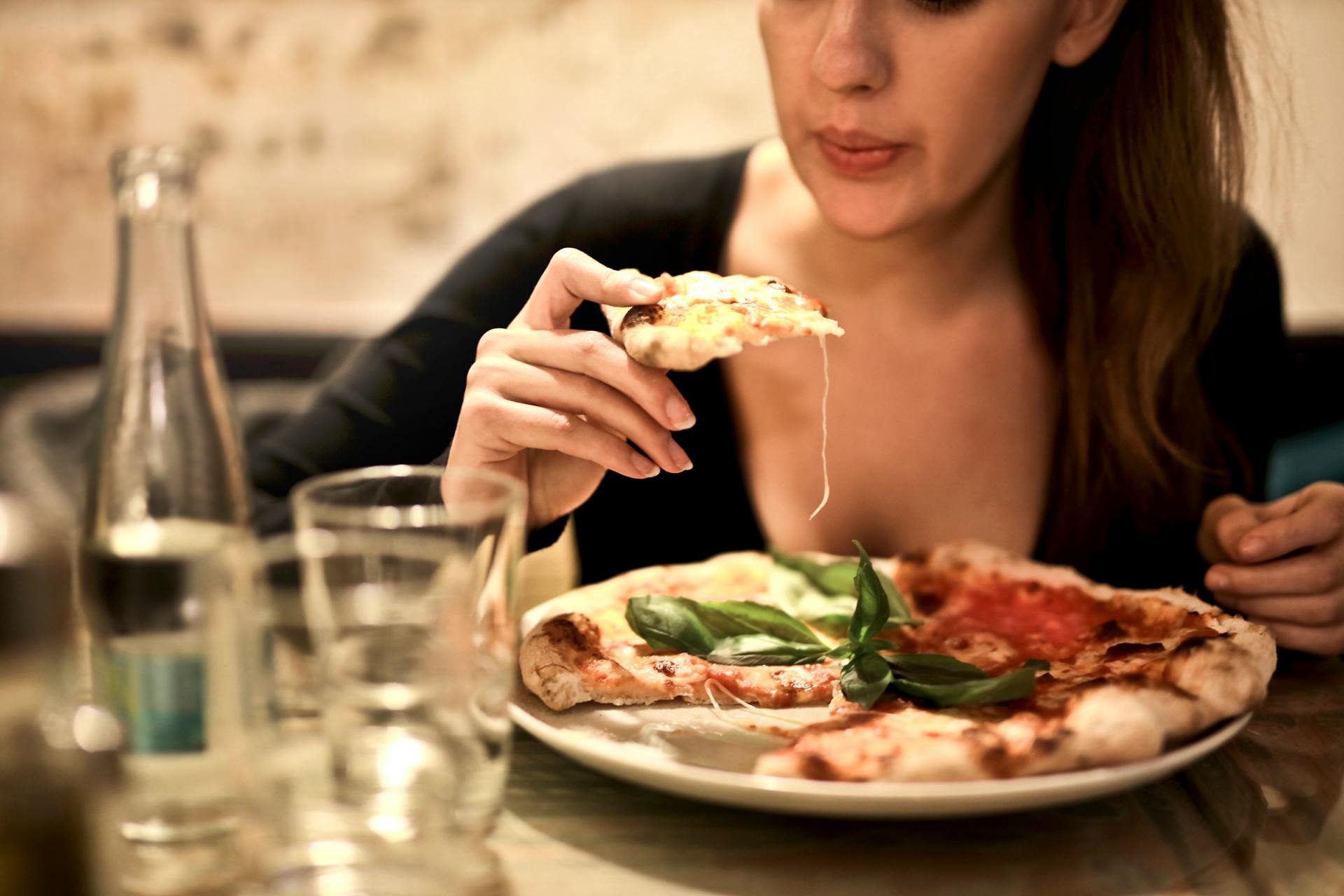
Emotional eating is a common phenomenon where an individual eats to manage their emotional state and not because they are hungry.
Olvasnál még tőlünk?
Add hozzá a Tabuk Villáját a Google preferált forrásaidhoz, hogy könnyebben megtaláld új cikkeinket.
The triggers and consequences of emotional eating
Stress, anxiety, depression and other negative emotions are often the triggers of this behavior. During emotional eating, people often reach for foods that are high in calories, sugar, and fat, because they temporarily improve mood by activating the brain's reward centers. However, in the long run, this self-regulation strategy can have negative consequences, such as overweight, obesity, and eating disorders like bulimia or binge eating disorder.
In people with eating disorders, it is often observed that their coping with emotions happens through eating habits. This is especially true for people struggling with mental disorders such as depression, anxiety, or post-traumatic stress disorder (PTSD). In these cases, eating becomes a way to defend against negative feelings. Emotional eating does not solve the problem, it only puts off processing the emotions, and in the long run it creates new sources of stress, such as the guilt or dissatisfaction with the body.
Treatment options
When it comes to understanding and managing emotional eating, it is important to recognize emotions and handle them more effectively. Stress-management techniques such as meditation, exercise, or mindfulness practice can help you find alternative ways to regulate emotions.
Psychotherapy, especially the cognitive behavioral therapy, can be an effective tool for uncovering the mechanisms behind emotional eating and building healthy coping strategies.
Frequently asked questions
How do I know if I'm actually hungry, or it's just stress talking?
Real hunger builds up gradually, and you can feel full with any food, while emotional hunger strikes suddenly and you crave only a specific “comfort” food (for example, chocolate).
Why do I crave sugary and fatty foods when I'm nervous, why not an apple?
At times like this, the brain needs a quick dopamine boost and immediate relief, and the combination of carbohydrates and fat provides that much more effectively than healthier options.
Why do I feel so guilty after eating when it felt so good?
Guilt is a self-fulfilling mechanism, where the brain punishes you for losing control, and unfortunately it often starts another “comfort eating.”
What should I do in that critical moment when I feel like opening the fridge only because of anxiety?
Wait ten minutes on purpose, drink a big glass of water, or do a short breathing exercise to give your brain time to recognize your real needs.
Did you like the article? Then save it to your bookmarks so it's always close at hand, or share it on a social platform so others can also learn about the topic!
Olvasnál még tőlünk?
Add hozzá a Tabuk Villáját a Google preferált forrásaidhoz, hogy könnyebben megtaláld új cikkeinket.

Share on Facebook
Share on X
Copy link
Similar articles