Written by
You can do a lot at home to combat anxiety, but in certain cases, it's worth seeking professional help. Here are 10 proven techniques!
Olvasnál még tőlünk?
Add hozzá a Tabuk Villáját a Google preferált forrásaidhoz, hogy könnyebben megtaláld új cikkeinket.
Anxiety is a natural part of life – we all experience it from time to time. Sometimes it only sneaks up on us before an exam or a difficult conversation, while other times it becomes constant, making us overthink almost every situation. Although anxiety can show up in many different ways, the common things about them is that they are exhausting – both physically and mentally. The good news is that you are not alone, and there are things you can do against anxiety.
In this article, we show you ten tried-and-true, easy-to-use tips that can help reduce your anxiety – whether you want to calm down in the middle of a tense day or build long-term changes.
Anxiety is a natural thing, but in its extreme forms, it can lead to health issues.
Home remedies (like breathing and moving) can be very effective for mild anxiety.
If you have severe or long-lasting symptoms, don't hesitate to seek professional help.
What is anxiety?
Anxiety is a natural, evolutionary helpful emotion that warns us of danger and helps us prepare for challenges. Normally, this feeling is temporary and serves a useful purpose: for example, it makes you more alert before an exam, or helps you avoid risky situations.
The problem starts when anxiety stays around for a long time, becomes excessive, or gets triggered by situations that don't pose real danger. This is when we speak of anxiety disorders, which can significantly impact daily life and mental well-being.
Anxiety is not the same as fear – while fear is a reaction to a specific threat, anxiety is more of a general, future-oriented worry and feeling of uncertainty, which often cannot be linked to a clear cause. It can appear in the form of cognitive, emotional, physical and behavioral symptoms.
We differentiate between several types of anxiety depending on how, in what situations, and in what form it appears:
Generalized Anxiety Disorder (GAD): constant worrying that cannot be tied to a specific event.
Panic Disorder: sudden, intense anxiety attacks accompanied by physical symptoms.
Phobias: irrational fear of certain situations (e.g., crowds, heights, flying).
Social Anxiety: strong fear of being judged by others or feeling embarrassed.
Post-Traumatic Stress Disorder (PTSD): recurring anxiety following a traumatic event.
Obsessive-Compulsive Disorder (OCD): recurring, distressing thoughts and repetitive behaviors.
Common symptoms of anxiety
Anxiety can show up on physical, emotional and mental levels alike. Physically, common symptoms include a rapid heartbeat, sweating, shaking, shortness of breath, and stomach issues. Emotionally, it feels like constant restlessness, inner tension, and worry. Mentally, you might experience negative thought spirals, trouble concentrating, and struggling to make decisions. On a behavioral level, avoiding situations is common – while this brings temporary relief, in the long run, it only feeds the anxiety.
What is behind anxiety?
Anxiety is usually caused by a mix of factors. Common causes include genetic traits, family patterns (like anxious parents), and traumatic experiences such as accidents or neglect. Stressful life situations, pressure at work, or relationship problems can also play a big part.
Typical causes of anxiety:
Genetic factors: inherited sensitivity to stress
Family influences: anxious parents, controlling upbringing
Traumatic events: abuse, loss
Life stressors: difficulties at work or in relationships
Anxiety can appear in both adults and children, but during childhood, it often goes unrecognized. Kids might show anxiety through physical signs instead, like trouble sleeping or a tummy ache.
Ways to fight anxiety
Luckily, there are many simple ways to help lower your anxiety, boost your mental health, and bring back your inner balance. Here are 10 techniques to help you cope with anxiety.
1. Breathe mindfully
Did you know that breathing is one of the fastest ways to calm anxiety? Your breath can help soothe both your body and your mind. Even a very simple deep breathing exercise can help with anxiety, helping you regain control over your thoughts and feelings.
Try the 4-7-8 technique: breathe in for 4 seconds, hold it for 7 seconds, and exhale for 8 seconds. This helps calm your nervous system and brings you right back to the present moment.
2. Move your body
Getting active is a natural stress buster. You don't need to work out for hours – just a 20-minute walk outdoors helps lower stress hormones and boosts your "feel-good hormones" (endorphins and serotonin). Besides its natural tension-relieving effect, moving helps you focus better and relieves some of the physical feelings of anxiety. Active movement boosts your energy and helps keep anxiety from taking over your day.
3. Write it out
Writing a journal is not just a tool for self-discovery, but also a great way to relieve tension. Writing down your thoughts gives you a chance to look at anxious situations from a fresh perspective. Put down what is worrying you, and see how much lighter it feels just to name it and write it down.
4. Limit overthinking
Notice when your thoughts are running in circles – asking endless questions like "What if...?". When you catch this, pause and ask yourself: "Is this really true? Is thinking about this helping me right now?" This is the first step of cognitive reframing. This technique helps you look at negative thoughts in a more realistic and constructive way, helping to ease your anxiety.
5. Pause the over-worrying
Continuous "overthinking" often makes things feel worse, as circular thoughts don't solve problems – they just feed the anxiety. Try simple tricks like mentally saying "STOP" when the anxious thoughts start. Just consciously shifting your attention can do wonders to weaken the anxiety.

6. Connect with others
Anxiety can easily make you feel lonely, as we often shut ourselves out from the world, worrying that others won't understand. Yet, social connections are often the best help. Having a heartfelt talk with a friend or family member lets you share your worries and feelings, which can quickly ease the heavy tension inside.
7. Come back to the present
Mindfulness and grounding practices (like the 5-4-3-2-1 exercise) help quiet your worries and bring you back to the here and now.
The 5-4-3-2-1 technique is an easy grounding tool to help you find your feet when anxiety takes over. Here is how you can do it:
5 things you see: Look around and name five things you can see right now.
4 things you feel: Notice what your hands or feet are touching, and name four textures or physical feelings.
3 things you hear: Listen closely to your surroundings and name three sounds you hear.
2 things you smell: If there is a scent nearby, take a sniff and notice two smells.
1 thing you taste: If you can, take a bite of something or a sip of water, and notice the taste.
This exercise helps you focus on your senses, reducing the power of anxiety by bringing you back to the present and breaking the negative thought loops.
8. Tame your caffeine intake and screen time
Too much coffee, energy drinks, or late-night scrolling can easily fuel anxiety. Caffeine, especially in larger amounts, can make your heart race and induce jitters, while late-night screen time can disrupt your sleep. Notice how these affect you, and try to set friendly boundaries.
9. Create, play, unwind
Creative activities, like drawing, painting, writing, or crafting, give you a lovely space to channel your thoughts and energy into something positive. This is great for breaking the pattern of anxious thinking and lightening your mental load.
Play works much the same way: whether it is board games, video games, or just a fun hobby, it helps distract you, pause the overthinking, and enjoy the moment. These activities are wonderful ways to recharge, have fun, and let go of daily stress.
10. Reach out for support
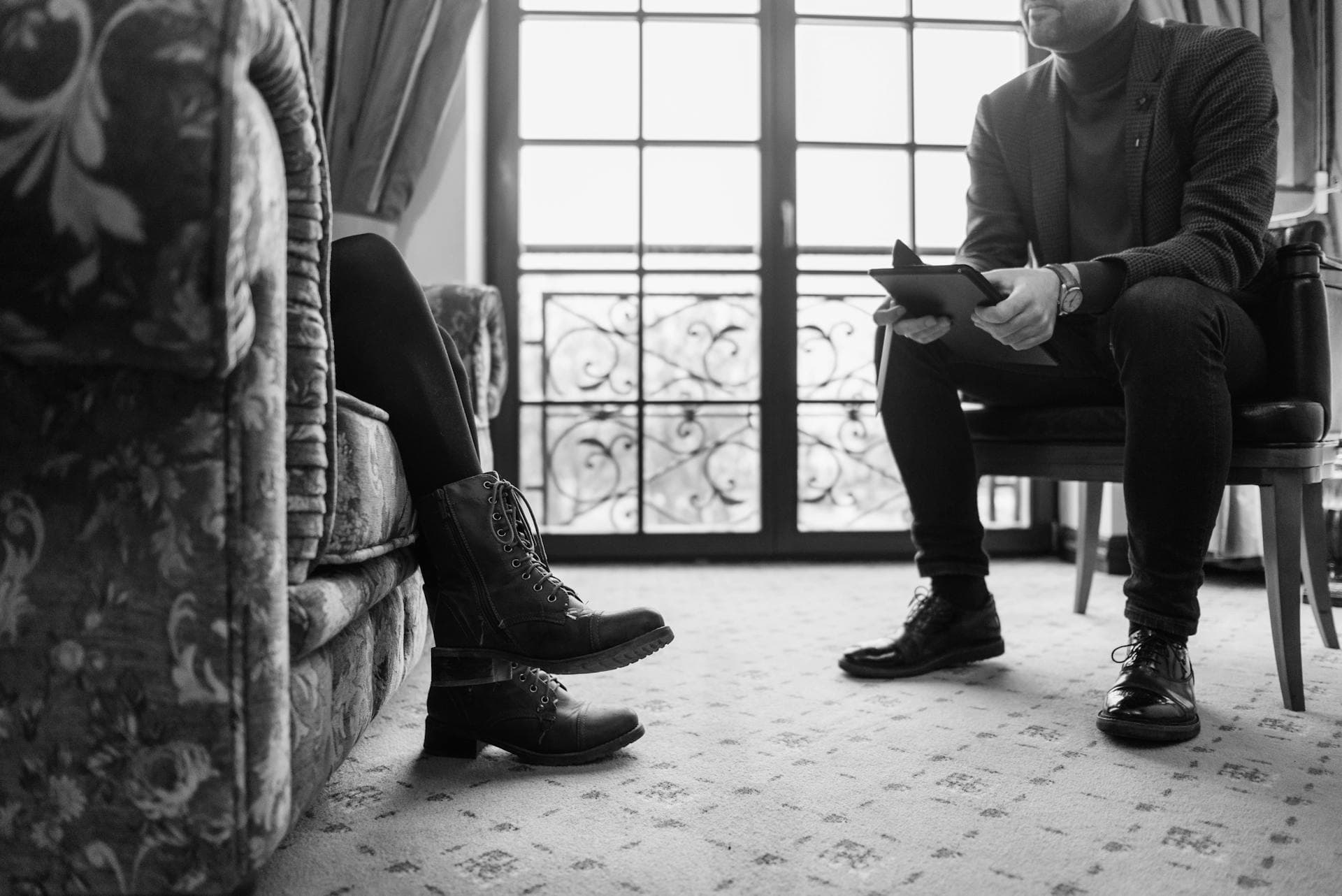
If anxiety is affecting your everyday life and these tips aren't bringing enough relief, it is a good idea to reach out to a professional. A psychologist can help you understand the root of your anxiety and work with you to find personalized coping methods. Therapy, like cognitive behavioral therapy (CBT), is a very effective path against anxiety.
Another option is medical support, where a psychiatrist might recommend anxiety-relieving or antidepressant support. These can help ease symptoms, especially if they are severe or long-lasting. It is super important to always use medication under professional guidance, as finding the right type and dosage is key. Often, a combination of medical support and therapy brings the best results.
Frequently Asked Questions about managing anxiety
When it comes to managing anxiety, many questions can pop up since everyone experiences stress differently. The effectiveness of different techniques varies from person to person, and it is totally natural to have doubts. Below, we have gathered some common questions to help clarify the basics of managing anxiety.
Managing anxiety at home: how effective is it?
Taking care of anxiety at home with relaxation techniques, breathing exercises, or movement is great for mild or temporary anxiety. However, if anxiety is persistent and affects your daily routines, it is best to ask for professional help. Home remedies are a wonderful addition to professional care, but they aren't a replacement.
Medication for anxiety: is it a good choice?
Medication can be very helpful, especially with more severe or long-term challenges where anxiety significantly gets in the way of daily life. Support prescribed by a doctor, like antidepressants or benzodiazepines, can help soothe symptoms. However, medication is usually just one piece of the puzzle, and it is often best combined with therapy for long-lasting results. Always consult a professional before starting or changing any medication!
When should I see a psychologist for anxiety?
It is a good idea to talk to a psychologist if your anxiety lasts for a while and starts negatively affecting your days, for example, making work, relationships, or daily tasks harder. If you feel like you can't manage the anxiety on your own, or if it is becoming more intense, a psychologist can help you understand what is going on and teach you practical coping strategies. Together, you can explore the root causes and build a plan that works for you.
Did you like this article? Save it to your bookmarks so you can easily find it later, or share it on your social media!
Olvasnál még tőlünk?
Add hozzá a Tabuk Villáját a Google preferált forrásaidhoz, hogy könnyebben megtaláld új cikkeinket.
Share on Facebook
Share on X
Copy link
Similar articles