

Written by
Major depression is a serious illness that can make a person lose interest in the world around them. Learn all about the causes, symptoms, and treatment options.
Olvasnál még tőlünk?
Add hozzá a Tabuk Villáját a Google preferált forrásaidhoz, hogy könnyebben megtaláld új cikkeinket.
Major depression is a mental state that changes a person’s mood, thinking, and everyday functioning for a long time — in a negative way. In this case, sadness, emptiness, or a lack of joy do not go away after just a few days. It can affect almost every part of life.
This article is about the question what major depression means exactly, how to recognize it, and what kind of help may be needed. As a psychologist, I can say that depression is a treatable, but also serious mental disorder.
Main message
Major depression is more than just feeling down, because it comes with lasting symptoms and a major drop in quality of life.
Behind it, biological, psychological, and life situation factors can all be present together.
In many cases, improvement is possible, especially when the person asks for help in time.
Depression and its types
Depression is an umbrella term, and it covers several forms. There are milder, longer-lasting, and recurring types too.
The difference is mainly in the strength of the symptoms, how long they last, and how much they affect daily life.
In professional language, we often also talk about persistent depressive disorder, seasonal-pattern depression, and a depressive episode in bipolar disorder when we talk about depression. Major depression is one of the best-known forms among these.
So major depression (or major depressive disorder) is an official diagnosis in psychiatry. It has defined symptoms and criteria (for example, persistent low mood, loss of interest, sleep and appetite problems, etc., for at least 2 weeks). Clinical depression and severe depression are not separate diagnoses, but everyday names, which are usually used for the same thing: depression in the medical, more serious sense — so most of the time these terms also refer to major depression.
What is major depression?
Major depression is a depressive disorder that comes with intense, lasting, and severe symptoms that have been present for at least two weeks. It is also important to make a difference between depression in everyday language and major depression. In short: every major depression is depression, but not every “depression” is major depression.
In everyday language, depression can mean a temporary low mood or sadness that is not necessarily a clinical condition. Major depression, on the other hand, is a diagnosable mental disorder.
It strongly affects daily functioning, and several symptoms (see below) need to be present together for the diagnosis — among other things, this condition can make work, relationships, sleeping habits, and self-care harder.
So it is clear that clinical (major/severe) depression is different from everyday sadness. After a hard period, temporary low mood can be normal, but in major depression the symptoms are deeper, last longer, and create a much bigger burden.
According to the WHO summary, during depression a person experiences persistent low mood or loss of interest, and this state can affect many areas of life. This helps explain why it is important to recognize the problem in time.
Symptoms of major depression
The symptoms of major depression can affect the emotional state, the physical condition shown through bodily symptoms and behavior. The severity of symptoms can vary, but the overall effect is usually clearly felt in everyday life.
The way symptoms develop is also influenced by the fact that major depression and anxiety are very closely connected, so closely that they often appear together and partly overlap.
A significant number of people with major depression also show anxiety symptoms, and it is also common that long-lasting, chronic anxiety increases the risk of depression over time.
In professional literature, this co-occurrence is called comorbidity, which means that two separate disorders are present at the same time and influence each other.
Emotional symptoms
Emotional symptoms include lasting sadness, a feeling of emptiness and hopelessness. Many people say that even things that used to matter to them no longer bring joy. This drop in the ability to feel joy is one of the most important signs of depression.
Typical emotional symptoms may include:
persistent low mood
loss of interest
hopelessness
increased guilt
inner emptiness
tendency to cry
Physical symptoms
Depression can also come with physical symptoms. These may include exhaustion, sleep problems, changes in appetite or weight changes. Many people first seek help because of these.
During severe depression, the body can also slow down. Fatigue, a lower energy level and difficulty concentrating may be more common. Some people also experience pain, digestive problems, or a feeling of pressure.
In depression (and anxiety), this often appears like this:
in the chest: a tight, heavy feeling (“as if there were a weight on it”)
in the head: a dull, pressing pressure
in the stomach area: an uncomfortable, tight sensation
It is important that these are real physical experiences, but often there is no organ-related cause that can be found, instead they are a physical expression of tension, stress, and emotional burden; we call these psychosomatic illnesses.
Common physical symptoms:
sleeping problems or sleeping too much
constant fatigue
reduced appetite or increased eating
weight change
body aches
slowness or restlessness
Behavioral changes
Behavioral changes often become visible gradually. The person may withdraw, meet others less often, and previously usual tasks may be left undone. Often the people around them notice first that something has changed.
Some people start to procrastinate because they feel everything is too overwhelming. Others become more irritable or avoid situations even more strongly, even if those situations used to feel everyday and normal.
Typical behavioral changes may include:
avoiding social situations
drop in performance
difficulty making decisions
increased withdrawal
breakdown of daily routine
lack of interest in personal hygiene or tasks
Causes of major depression
When major depression develops, several factors come together, and these increase vulnerability. According to the NIMH overview, genetic, biological, environmental, and psychological factors all play a role in the development of depression. That is why a personal history is always an important part of understanding it.
Biological and genetic background
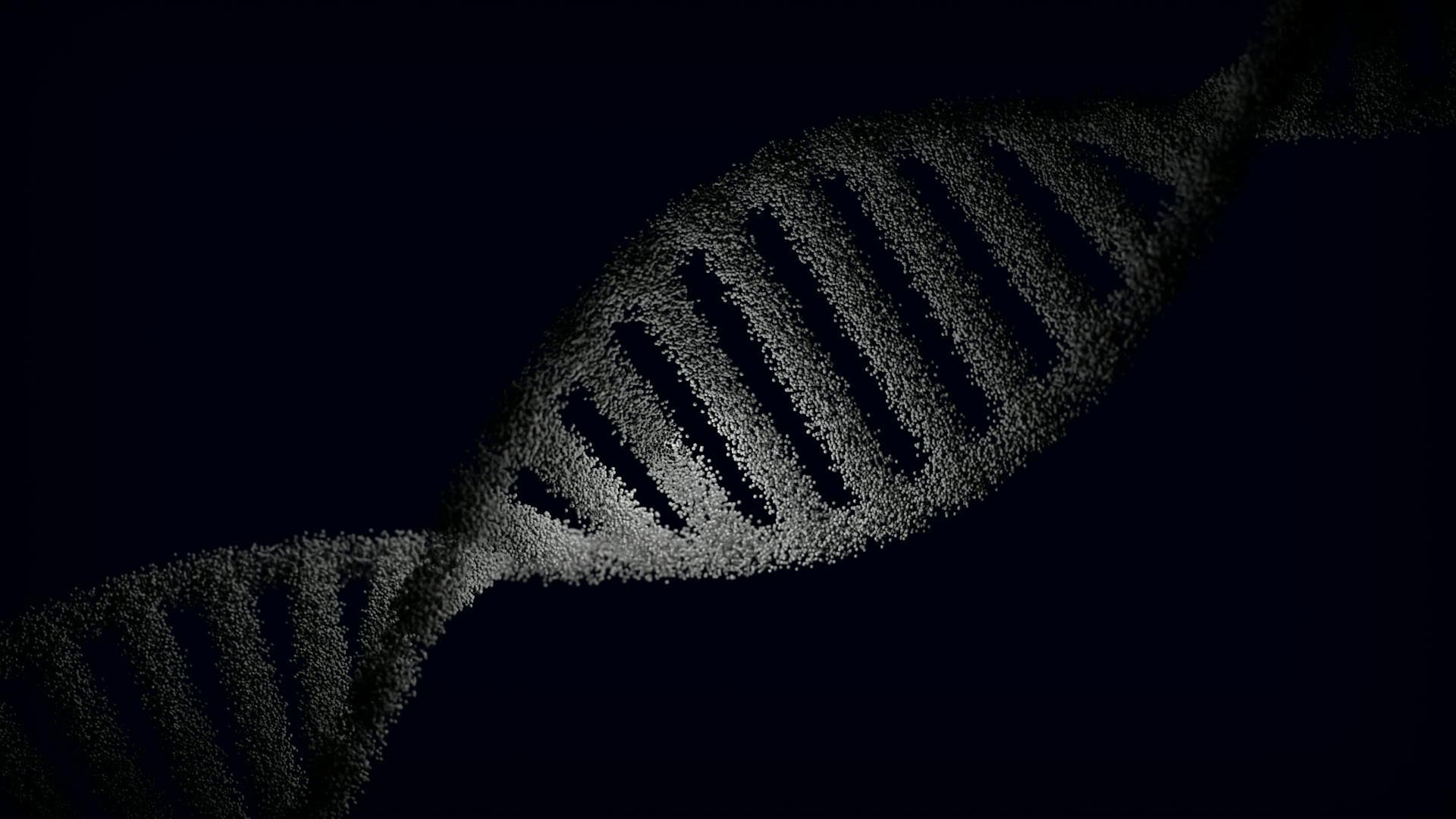
The biological and genetic background can influence who is more likely to develop depression. Family clustering is a known phenomenon, which means that one illness — in this case depression — appears in several people within one family, for example in parents, siblings, or other close relatives. This does not mean certain fate, but it can raise the risk.
Nervous system function, hormonal changes and the balance of brain neurotransmitters can also play a role.
Life situation factors
Life situation factors often come right before a depressive period. This can be a loss, a breakup, grief, losing a job or long-term stress. Long-lasting overload can be a serious risk.
It is known that after having a child, some women suffer from postpartum depression, which is a well-known form of this mood disorder. However, illnesses and family conflicts can also make someone more vulnerable. A lack of support from the environment can make the symptoms even deeper.
Psychological causes
Common psychological causes include lasting self-criticism, a negative self-image and a sense of learned helplessness.
Some people learn from childhood that their feelings do not matter, and this can still affect how they cope as adults.
Unprocessed trauma, long-lasting relationship insecurity and chronic anxiety can also increase the risk. Depression is often connected with the feeling that a person has been carrying too much alone for a long time.
How is major depression diagnosed?
The diagnosis of major depression is made by a professional. This usually requires a detailed conversation, symptom exploration, and understanding of functioning. It is important to find out how long the symptoms have been there and how much they affect daily life.
During diagnosis, it is also checked whether there is a physical illness or another mental disorder in the background. The symptoms of major/clinical/severe depression can overlap with several other conditions. This may include an anxiety disorder, the grieving process, or the depressive phase of bipolar disorder.
One symptom alone is not enough for diagnosis. The professional looks at the whole picture . This gives confidence that the help really fits the problem.
When should you see a doctor if major depression is suspected?
It is a good idea to see a doctor or psychologist if the symptoms last longer than two weeks. Taking action early can make a big difference.
Urgent help is needed if someone feels that life has no meaning, or that they may hurt themselves.
In such cases, safety comes first. The support and encouragement of a family member can also be lifesaving, because many people delay asking for help out of shame or uncertainty. Depression is a treatable condition, so asking for help should not be missed.
Treatment of major depression
The treatment of major depression is always adjusted to the severity of the condition and the person’s situation. In milder cases, psychotherapy can help a lot. In moderate or severe depression, more complex support is often needed.
Psychological support can help, among other things, with understanding emotions, breaking negative thought spirals, and stopping self-harming inner dialogue. Cognitive behavioral therapy is often used to ease symptoms. Even simply tracking the condition regularly can give stability during recovery.
Medication treatment for major depression is mainly considered for moderate or more severe symptoms. The decision about antidepressants is always made by a doctor (psychiatrist). The goal of medication is to reduce symptoms and support everyday functioning, while side effects and individual factors also need to be considered.
Other parts of treatment may include:
psychotherapy (this can be led by a professional with a psychotherapy specialist qualification — clinical psychologist, psychiatrist, doctor)
psychological counseling (for depression in milder forms)
psychiatric consultation
lifestyle organization
family and social support
in a crisis: closer monitoring, even inpatient care (hospital stay)
In the treatment of depression, some people use alternative approaches in addition to medical and psychotherapeutic methods as a supplement. These may include regular exercise, yoga or meditation, which can help reduce stress and improve mood. For some people, mindfulness practice or relaxation techniques can also ease symptoms.
It is important, however, that alternative methods are not enough on their own in every case, and it is a good idea to talk to a professional before using them, especially if more severe symptoms are present!
Preventing major depression
Preventing major depression is not always possible, but it still matters a lot to try.
Regular sleep, movement, and supportive relationships can reduce vulnerability.
And of course, it is also important that a person notices their own overload in time.
Stress management can be learned. Even rest, putting feelings into words, and accepting help can already have a preventive effect. And for anyone who has already gone through a depressive episode, recognizing early warning signs can be especially important.
Very helpful for prevention:
creating a regular daily rhythm
regular exercise
avoiding alcohol, nicotine, coffee, and other substances
seeking emotional support
getting psychological help already at early symptoms
Frequently asked questions
What is the difference between depression and major depression?
Depression is the broader umbrella term. Major depression is a clearer, more intense, and longer-lasting form within it. In this case, the symptoms strongly affect everyday life. You may hear these as synonyms: severe depression, clinical depression.
What are the most common symptoms of major depression?
The most common symptoms include persistent low mood, loss of interest, fatigue, sleep problems, and hopelessness. Difficulty concentrating and withdrawal are also common. In more severe cases, self-esteem problems and suicidal thoughts may also appear.
Do you need to take medicine for major depression?
Not in every case. With milder symptoms, psychotherapy or psychological counseling (cognitive behavioral therapy) may be enough on its own. In moderate or severe depression, a psychiatrist may also recommend medication.
How can the development of major depression be prevented?
Its development cannot always be prevented with full certainty. However, the risk can be lowered with a more organized lifestyle, stress management, social support, and early professional help. It is especially important to watch for recurring symptoms.
Did you like the article? Then save it to your bookmarks so you can find it again quickly any time.
Olvasnál még tőlünk?
Add hozzá a Tabuk Villáját a Google preferált forrásaidhoz, hogy könnyebben megtaláld új cikkeinket.

Share on Facebook
Share on X
Copy link
Similar articles