Stress Management: 5 effective methods to reduce stress


Written by
Effective stress management is essential in our lives, we must pay attention to it. Here are some useful and tried-and-true tips for managing stress.
Olvasnál még tőlünk?
Add hozzá a Tabuk Villáját a Google preferált forrásaidhoz, hogy könnyebben megtaláld új cikkeinket.
Stress is a natural part of life – we all deal with pressing deadlines, conflict, or simply taking on too much at once. But while short-term stress can actually help boost our energy, long-term tension wears us down over time, makes us feel insecure, and can lead to physical and mental symptoms. The good news: stress management can be learned. There are ways to ease the symptoms and find your inner balance again. In this article, we’ll show you some tools to help you respond more mindfully to daily tensions – so that you rule the stress, not the other way around.
Stress is a natural thing, but in the long run, it can have negative effects.
Easy-to-learn techniques can really help you tackle stress.
In more severe cases, reaching out to a professional is highly recommended: this is not a sign of weakness, but a responsible choice.
Types of stress
While many of us immediately think of something negative when we hear the word "stress", the reality is a bit more nuanced. In psychology, we distinguish between constructive and destructive forms of stress – these are eustress and distress.
Eustress
Eustress is the kind of stress that motivates you, gets you moving, and helps you bring out your best. For example, when you are excitedly preparing for a job interview or a new challenge, and this helps you concentrate and stay focused. Eustress isn't destructive at all: it helps you adapt, grow, and step out of your comfort zone. In short: a healthy amount of pressure that you can handle, and that can motivate and activate you.
Distress
Distress, on the other hand, is the kind of stress that overwhelms you, drains your energy, and comes with negative physical and mental effects. This is when you feel like you have too many tasks, too little time, and no way out of the tension. Distress often shows up as anxiety, sleep troubles, irritability, or physical symptoms (like headaches or stomach aches) – and if it stays around for long, it can easily lead to burnout or an anxiety disorder.
So the goal is not to eliminate all stress from our lives, but to learn to recognize which type is present and how to handle them mindfully.
What causes stress?
Behind stress, there are often situations that put too much pressure on us – either from the outside or from within. This could be being overloaded at work, conflicts in our personal lives, an illness, or financial difficulties, but many times our own high expectations of ourselves are more than enough. Even positive changes – like moving to a new home or having a baby – can cause stress if they require a lot of adaptation. So, stress triggers can be very diverse, and often it’s not just one single cause, but a mix of them that creates the tension.
How stress affects your body
Even though stress seems to be mostly a mental burden, our body reacts quickly to it as well. Your heart rate goes up, your muscles tense, it gets harder to focus, and your sleep can become restless. In the long run, however, persistent stress can weaken your immune system, cause digestive issues, cardiovascular problems, and even lead to burnout. The signs are different for everyone – some might get headaches, while others feel irritable or restless inside.
What is stress management?
Stress management means consciously learning to cope with the tensions we face without letting them wear us down. Since our body goes into fight-or-flight mode during stressful situations (heart rate goes up, breathing gets faster, muscles tense), it is important not to let these reactions take over.
The goal of stress management is not to avoid every single problem, but to learn to react to them differently, both physically and mentally. The essence of preventive stress management is that we shouldn't only care for ourselves when we already feel exhausted. By regularly weaving calming, balancing activities into our daily lives, we become much more resilient to unexpected pressures as well.
Why is stress management so important?
If we don't manage stress in time, it will sooner or later lead to physical and mental exhaustion. At first, we might just feel more tired or irritable, but in the long run, sleep problems, anxiety, burnout, and even serious health issues can appear. Stress management is not a luxury or a "nice-to-have" tool – it is the key to staying balanced amidst the challenges of everyday life.
Stress relief techniques at home
You don't have to see a therapist right away to ease your daily tension. There are some simple methods that you can easily blend into your days at home. Trust us, you can do a lot for your inner peace with them.
Taking micro-breaks during the day
A nervous system under constant pressure needs to step out of its "standby mode" from time to time. Just a few minutes of quiet each day helps activate the parasympathetic nervous system, which is the body's natural recovery mode. A short break – even looking out the window, sipping a tea slowly, or just enjoying a few minutes of silence – pulls you back to the present, releases tension, and improves focus. Friendly reminder: these are not reward minutes, they are mental health essentials.
Breathing + body awareness together
Deep, slow belly breathing on its own lowers your heart rate, blood pressure, and stress hormone levels – this is scientifically proven. If you also mindfully tune in to your body's signals (where you feel tense, where you are relaxed, where it is warm or cold), it helps even more to break away from overthinking. Focusing on physical sensations "mutes" racing thoughts and helps you arrive back to yourself. This is already a wonderful form of body-mindfulness practice.
Mindful reframing
Stress doesn't just depend on external events, but also on how we interpret them. With mindful reframing, we try to look at a difficult situation from a new angle – for example, by asking ourselves: “What can I learn from this?” or “What would I say to a friend in this same situation?” This practice doesn't deny the problem, but it helps shed a different light on it – thereby easing the feeling of helplessness and activating your inner coping strengths.
Connecting with someone, not for advice, just for presence
Humans are social beings – and it can be incredibly stress-relieving just to have someone there, listening and being present with us. We don't always need a solution, just human connection. Research shows that social support is one of the strongest protective factors against the effects of stress. A walk with someone, a quick phone call, or sharing a moment of silence can ease that inner pressure. Remember: it doesn't have to be "productive", emotional presence on its own is healing.
A quiet ritual
Rituals are more than just habits. They are repetitive, comforting activities that give us safety, rhythm, and emotional stability. This could be lighting a candle in the evening, listening to a few minutes of music, a night walk, or brewing your coffee exactly the same way every day. These repetitions help the nervous system wind down the day, sending a signal that it’s time to sleep and there’s no need to perform anymore. These little islands are not just mood lifters, but real stress-shield zones.
Stress management with professional help
There are times when home methods are simply not enough. If you feel that the tension is constant, or if stress starts affecting your sleep, your relationships, or your physical health, it might be a good idea to reach out to a professional. Asking for help is not a sign of weakness – on the contrary, it shows the courage that you don't want to stay stuck in a state that harms you in the long run.
A psychologist can help you discover which internal or external factors build up stress for you, and how you tend to react to them. Working together, you can not only learn coping techniques, but also gain deeper self-awareness – so you can deal with similar situations more mindfully in the future.
You might ask: psychologist or coach? The answer depends on how deep the problem goes. If the stress is more connected to feeling stuck, inner conflicts, or heavy emotional burdens, a psychologist is the one who can offer professional support. But if your focus is on reaching a specific goal, making a choice, or life management, a skilled coach can also be a wonderful choice. The bottom line is: you don't have to be alone with your struggles.
Preventive stress management
Handling stress isn't just useful when we are already tired and worn out – in fact, it is most effective when we build it into our lives beforehand. The goal of preventive stress management is to create protective factors around us that help us keep our balance even during tougher times.
This could be:
setting up a daily routine that leaves room for cozy rest;
nurturing our social connections, because emotional support lowers stress reactions;
regular movement, like weekly yoga, walking, or swimming – which shouldn't be saved only for when we are already overwhelmed;
creative activities that bring joy and aren't about performance;
setting boundaries between work and free time – like introducing an offline period in the evening.
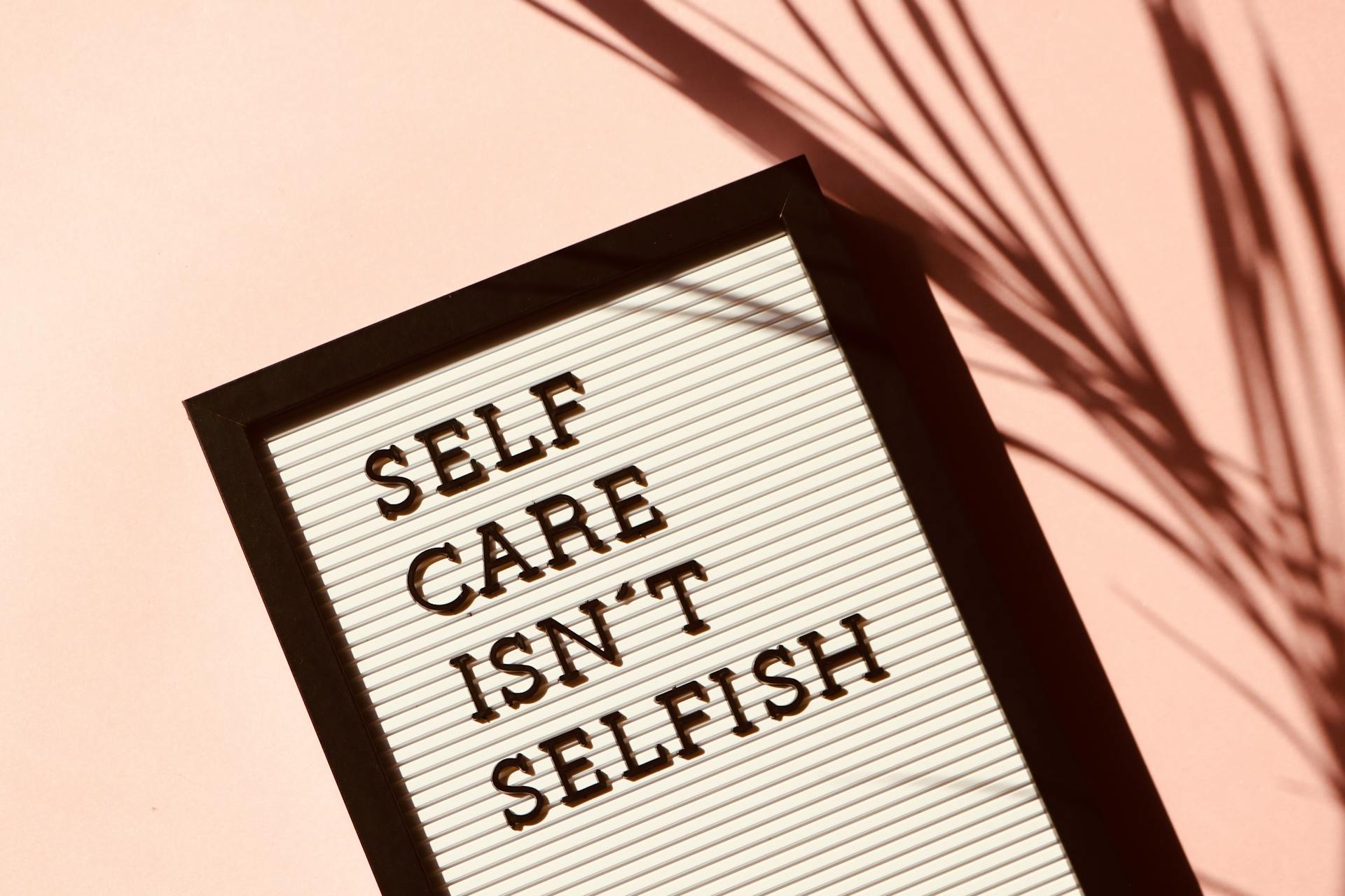
Preventive stress management is all about consciously taking care of yourself even when everything is running smoothly. This isn't selfish, it is long-term self-care.
To sum it up, stress is not the enemy – but if we deal with it alone for too long, it can easily upset our physical and mental balance. The most important thing we can do is to notice the signs early and start caring for ourselves. Whether it's a cup of tea enjoyed in peace, a mindful breath, or a deeper journey into self-awareness that leads to change, every step matters. And if you feel it’s hard to start alone, don't be afraid to ask for help. The way we react to stress can be shaped – and there's no shame in that, only opportunity.
Frequently asked questions
How can I know if stress is causing my physical symptoms?
If medical check-ups don't show any physical abnormalities, but your symptoms (such as stomach aches or headaches) get worse during difficult life situations, it is likely somatization of ongoing tension (meaning emotional conflicts showing up as physical symptoms).
Can long-term stress cause sudden weight gain or food cravings?
Chronic stress raises cortisol levels, which boosts appetite (especially for sugary foods) and encourages fat storage, particularly around the belly area.
What should I do if stress-relief techniques (breathing, meditation) make me feel even more tense?
For some, sudden silence can make inner anxiety feel louder. In these cases, active stress relief, like a brisk walk or sports, can be a much better gateway to finding calm later on.
How long does it take for a new stress-management technique to stick, so I remember it in tough moments?
The nervous system usually needs about 21 to 66 days of repetition for a new reaction (like mindful breathing) to become automatic in stressful situations.
Did you like this article? Be sure to bookmark it so you can easily find your way back, or share it on your favorite social feed!
Olvasnál még tőlünk?
Add hozzá a Tabuk Villáját a Google preferált forrásaidhoz, hogy könnyebben megtaláld új cikkeinket.

Share on Facebook
Share on X
Copy link
Similar articles