Symptoms, causes, and treatment of post-traumatic stress disorder (PTSD)


Written by
Post-traumatic stress disorder can appear at any stage of our lives, so it's better to be aware of what we're dealing with.
Olvasnál még tőlünk?
Add hozzá a Tabuk Villáját a Google preferált forrásaidhoz, hogy könnyebben megtaláld új cikkeinket.
Some experiences leave a deep mark on us – and they don't always fade away without a trace. Post-traumatic stress disorder (PTSD) is a mental state that can affect your thoughts, feelings, and daily functions even years after a shocking event. Many people live with the symptoms without realizing that what they are experiencing is not "oversensitivity," but a natural response to an extremely overwhelming experience. The good news is, there is a way out – trauma can be processed, and your mental balance can be restored.
This article is all about what post-traumatic stress disorder (PTSD) is, how you can recognize it, and what options you have to handle its symptoms.
PTSD is a complex condition, and its diagnosis is a task for a professional.
Healing is not a straight line, and it varies from person to person.
With expert help and conscious work, those affected can live a full life again.
The goal of this article is to show you: with the right diagnosis and expert support, PTSD can be treated effectively, and healing – although sometimes a longer journey – is within reach for everyone.
What is post-traumatic stress disorder?
Post-traumatic stress disorder (PTSD) is a mental health condition that develops following a traumatic event. This kind of event could be an accident, physical or sexual abuse, a war experience, a severe illness, a natural disaster, or even giving birth. You can experience a traumatic event directly, witness it, or simply hear about it (like the death of a friend under traumatic circumstances, such as a bad accident).
Actually, PTSD is a natural reaction to an abnormal event, where our coping strategies are simply not enough to process what happened.
The causes behind post-traumatic stress
It’s not the event itself that determines whether someone develops PTSD, but how it impacts them emotionally and neurologically. In the general population, about 60-70% of people experience some kind of trauma in their lifetime, and "only" 7.8% of them develop PTSD.
Women are twice as likely to develop PTSD than men.
Genetic factors can play a role in up to 30% of cases when it comes to developing post-traumatic stress. The functioning of the prefrontal cortex, the hippocampus, and the amygdala all influence how vulnerable we are to the stressors we face. Our mental resilience, or simply resilience, also affects whether we develop this highly uncomfortable condition.
The symptoms of post-traumatic stress disorder
The symptoms of PTSD can be quite diverse, but they typically appear in the following areas:
Reliving the moment: the event keeps returning in the form of intrusive memories, nightmares, or "flashbacks."
Avoidance: keeping away from situations, people, or conversations that remind you of the trauma.
Hyperarousal: feeling constantly on guard, irritability, sleep troubles, and difficulty concentrating.
Negative thoughts and feelings: self-blame, feeling hopeless, or emotional numbness.
It can also show up physically: tensions, muscle aches, headaches, digestive issues, and exhaustion – all of these can be signs of constant stress.
Symptoms usually start within a few weeks of the event, but sometimes they only surface months later.
It is important to distinguish PTSD from acute stress disorder, as the diagnostic criteria for these two mental states are the same. The difference is that with acute stress disorder, the symptoms last for a minimum of 3 days and a maximum of 1 month, while we talk about post-traumatic stress when the symptoms persist for at least 1 month. These symptoms cause clinically significant distress to the person and impact their work, social life, and other important areas of life.
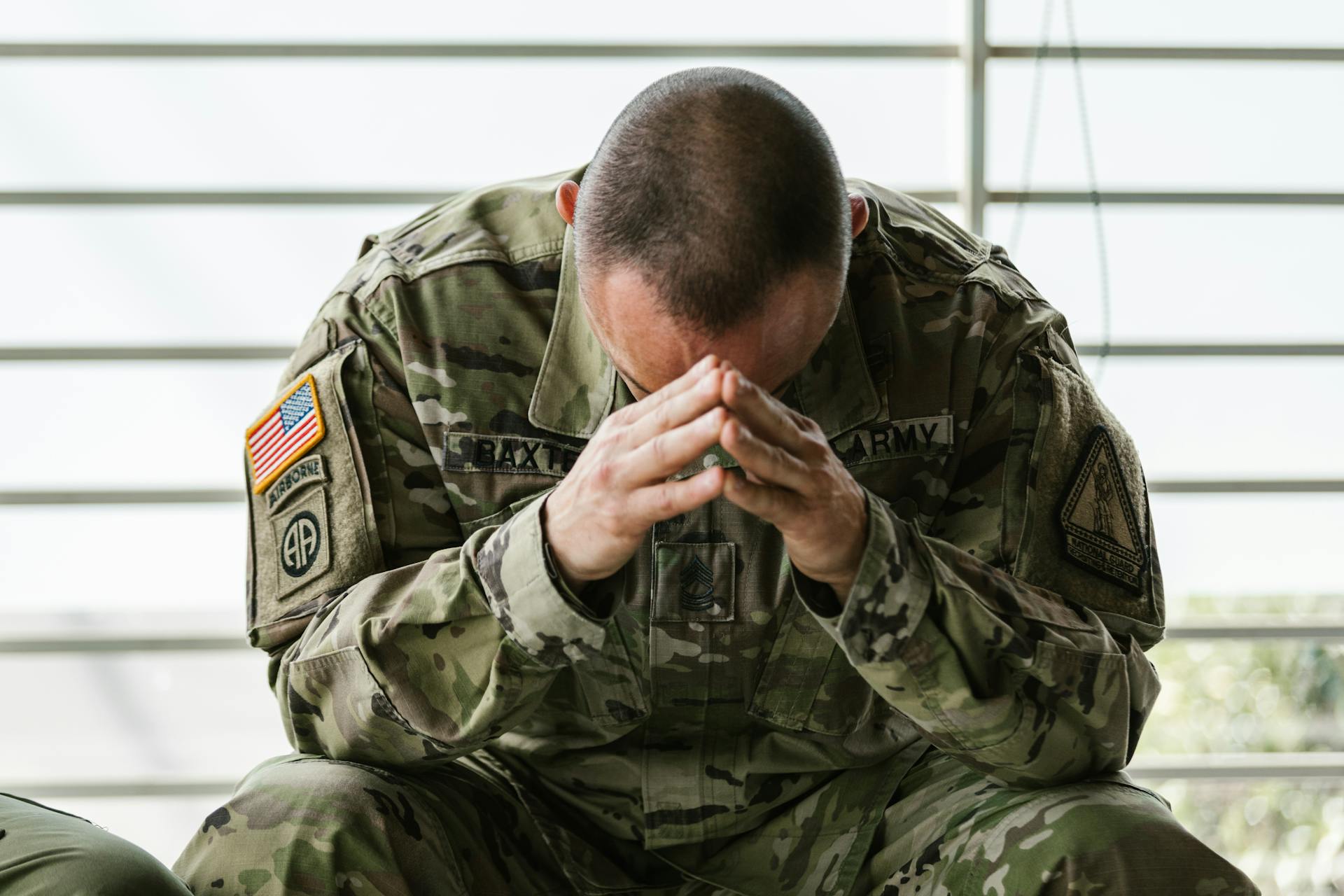
The different types of post-traumatic stress
There are several subtypes of PTSD depending on how, when, and for how long the symptoms show up. This is important to know because the specific type can play a big role in planning the right treatment.
Acute PTSD
We talk about this type when the symptoms start shortly after the traumatic event but last for less than three months. In this phase, the person still relives the trauma very intensely, but with the right support and therapy, their condition can often improve quite quickly.
Chronic PTSD
If symptoms last longer than three months, we call it chronic PTSD. This type often takes a more severe path and is more deeply rooted. It is commonly accompanied by sleep disorders, depression, or anxiety.
Delayed-onset PTSD
Sometimes, no symptoms appear for months or even years after the trauma, and then a new stressor or life event suddenly brings them to the surface. This can be especially confusing because you might have thought you were long "over it," and you wouldn't even think that your current feelings are still stemming from the past. Some symptoms may appear within the first 6 months following the trauma, but the full criteria are met at least 6 months after the trauma occurred.
Complex PTSD
Complex post-traumatic stress disorder develops after experiencing an extremely horrifying or terrifying event or series of events. Typically, escaping these situations was difficult or impossible, such as torture, genocide, repeated childhood sexual abuse, or physical abuse. In these cases, survivors feel a constant sense of threat, use avoidance, and relive the events over and over. They experience severe emotional regulation issues, and their self-image is entirely negative, often involving feelings of shame and defeat. As a result, maintaining social relationships and experiencing emotional closeness becomes very difficult.
Diagnosing post-traumatic stress
Diagnosing PTSD is a task for a psychologist or psychiatrist, usually based on detailed conversations, symptom questionnaires, and psychological tests. There are online self-assessment questionnaires that can help you spot the issue, but these cannot replace a professional evaluation. If you suspect any symptoms, it is best to consult an expert as soon as possible.
The stages of processing trauma
Leonard Horowitz, an American psychologist, was among the first to describe in detail how trauma is processed in our minds. His model breaks the process down into five stages, beautifully showing that healing is not a straight line, but often follows a waving, back-and-forth pattern.
1. Shock
The first stage after trauma is shock, when it is hard to fully grasp what actually happened. You might feel numb, emotionally empty, or even hyperactive – the body is simply trying to switch to survival mode.
2. Denial and avoidance
The mind tries to block out the painful memories. You might feel like "it wasn't really that serious," or as if it didn't even happen to you. This denial serves as a defense mechanism, protecting you from being flooded by too many emotions all at once.
3. Intrusion
Yet, the trauma creeps back – in the form of thoughts, images, and feelings. You might experience flashbacks, nightmares, or anxiety attacks. The person suddenly relives the events, sometimes triggered by small everyday things. This stage can be extremely exhausting.
4. Working through and integration
The next step is when the person – usually with the help of a psychologist – starts to consciously process what happened. They connect the events of the past with the feelings and thoughts of the present. The experiences lose their paralyzing power and slowly become built into their life story.
5. Re-integration and adaptation
The trauma no longer rules your thoughts, but becomes a painful – yet accepted – part of who you are. You are ready to live in the present again, build relationships, and plan for the future. This stage is not about forgetting; it is about understanding and acceptance.
Everyone goes through these stages at their own pace and in their own way – there is no "right" or "wrong" way to heal, the important thing is to find what works for you.
Medical treatment for post-traumatic stress
In some cases, PTSD treatment can include medication, especially when anxiety, depression, or sleep issues are very strong. Antidepressants are most commonly prescribed, but this is always decided on an individual basis by a psychiatrist. It's good to know that medication doesn't cure the trauma itself; it only helps to reduce the symptoms.
True mental processing is guided by psychotherapy, working together with a specialist with whom you share a good connection, who understands and accepts you with all your traumas, and listens to you with exceptionally deep empathy.
Treating post-traumatic stress disorder with a psychologist
Therapeutic work led by a psychologist can help you understand the impact of the trauma and find your own inner strengths to heal. In a safe space, in the presence of an empathetic professional, you can revisit what happened – in a way that allows those moments to gradually lose their paralyzing hold over you.
Several methods have proven highly effective in treating PTSD: for example, Cognitive Behavioral Therapy (CBT), Cognitive Processing Therapy (CPT), EMDR (Eye Movement Desensitization and Reprocessing), or Mindfulness-Based Cognitive Therapy (MBCT). We always adapt the method to your individual needs, and in fact, some of these therapies were created specifically to treat PTSD.
CPT, for example, is a trauma-focused cognitive behavioral therapy developed specifically for treating PTSD. The method was designed by Dr. Patricia Resick and her colleagues, initially for survivors of sexual assault. Later, clinical trials showed it to be incredibly effective for war veterans, victims of abuse, and survivors of natural disasters – in other words, in any case where PTSD developed following a trauma.
Since then, CPT has become one of the most highly recommended and scientifically supported therapeutic methods for PTSD – officially endorsed by both the American Psychological Association (APA) and the World Health Organization (WHO). It basically helps you process and re-evaluate your thoughts and beliefs about the trauma, thereby reducing its emotional power and breaking negative behavior patterns.
If you feel like the pain of the past is still too present, it's worth taking a step forward. You don't have to carry this burden alone – we are here to help you.
What happens if we leave post-traumatic stress untreated?
Left untreated, PTSD can have a serious impact on your quality of life in the long run. It can lead to sleep disorders, panic attacks, depression, addictions, and relationship struggles. Prolonged stress can also lead to physical illnesses, such as cardiovascular problems or inflammatory conditions.
The longer it goes untreated, the more it can wrap itself around your daily life – but it is never too late to change things. Healing does not mean forgetting; it just means the past no longer controls your present.
Frequently Asked Questions
Can I have PTSD even if I didn't experience physical violence, but "just" verbal abuse or a sudden breakup?
Yes, trauma is a highly subjective experience. Your nervous system can be shocked by any event in which you felt complete helplessness, deep humiliation, or a total loss of your sense of safety.
Can post-traumatic stress cause real physical pain in my body?
Unprocessed trauma often somatizes, which means that bottled-up tension can show up physically in your body as chronic back pain, digestive issues, or unexplained muscle tightness.
What should I do if an unexpected noise or scent suddenly flies me right back to the moment of trauma (flashback)?
When this happens, try to "ground" yourself: name five things you can see around you, touch something cold, and remind yourself out loud that you are in the present and you are safe.
Will PTSD change my personality forever, or can I get my "old self" back?
The goal of healing is to find a new kind of balance, where the trauma no longer runs your life but becomes a processed experience. Try not to focus on making everything exactly as it was before (erasing the memory), but rather on finding a new harmony in how you live and feel.
Did you enjoy this article? Save it to your bookmarks so you can easily find your way back, or share it with others on your favorite social platforms!
Olvasnál még tőlünk?
Add hozzá a Tabuk Villáját a Google preferált forrásaidhoz, hogy könnyebben megtaláld új cikkeinket.
Share on Facebook
Share on X
Copy link
Similar articles